Wireless Earbuds: Fit, Battery and the Features That Matter
Earbuds are the most personal piece of technology most people own. Sound matters, but fit, battery and a few practical features decide whether you keep them.

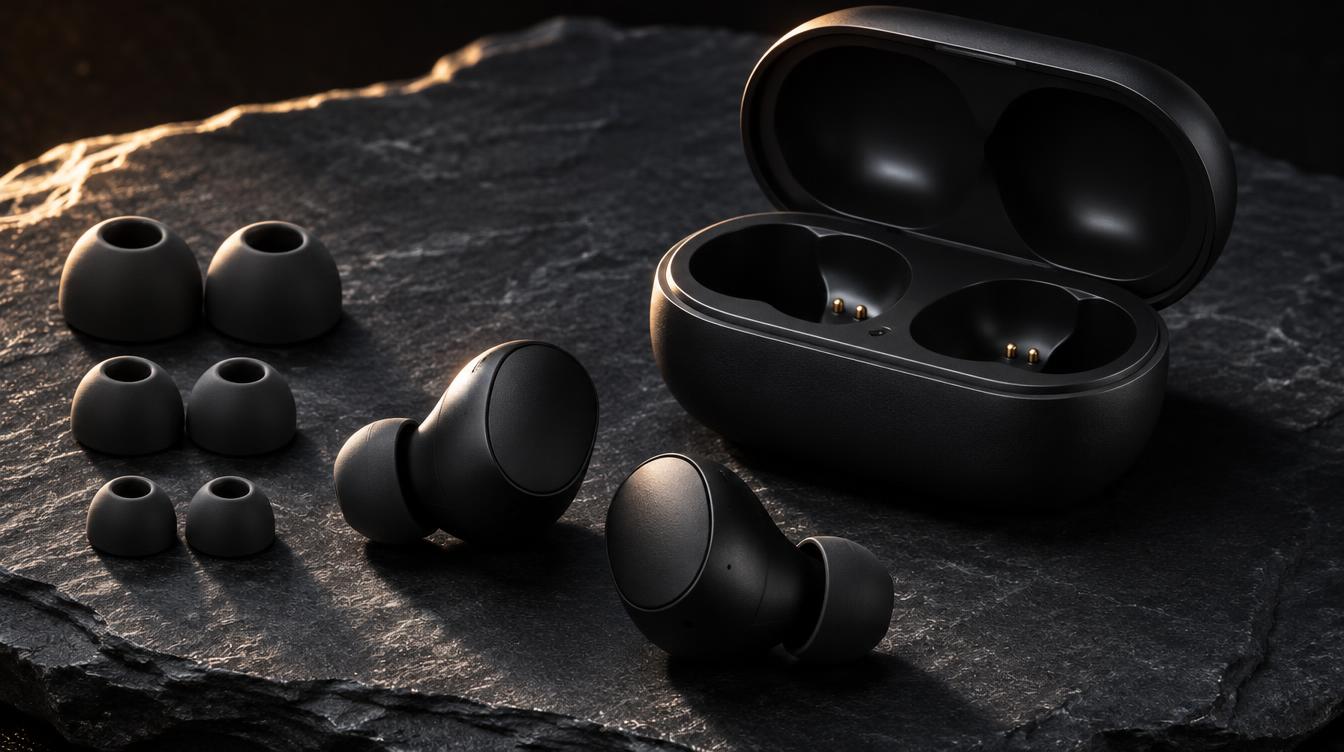
- Fit affects comfort, bass and noise isolation more than any other factor. Try every tip size in the box.
- Expect 5 to 8 hours per charge with noise cancelling on, plus several recharges from the case.
- For exercise, look for a water resistance rating of IPX4 or higher.
Wireless earbuds have become so ordinary that it is easy to forget how much is packed into them: speakers, microphones, radios, sensors and a battery, in something the size of a bean.
That miniaturisation forces compromises, and manufacturers make them differently. Knowing which ones matter to you narrows a bewildering market very quickly.
Start with how they sit in your ear
There are two basic designs. Sealed earbuds have a soft silicone or foam tip that sits inside the ear canal and blocks outside sound. Open earbuds rest in the outer ear without sealing it.
Sealed designs deliver stronger bass and far better isolation, and they are what noise cancelling requires. Open designs let you hear your surroundings and suit people who dislike the plugged feeling.
Fit is everything
With sealed earbuds, the seal determines what you hear. A tip that is slightly too small leaks bass and lets noise in. One that is too large aches after twenty minutes.
Most pairs come with three or four sizes of tip. Try them all, and do not assume both ears are the same size. Many are not.
If your earbuds sound thin, change the tips before you change the earbuds.
Some apps include a fit test that plays a tone and checks for leaks. It takes ten seconds and is worth running.
Foam tips, sold separately for many models, expand to fill the ear and often improve both comfort and isolation.
Noise cancelling
Active noise cancelling works the same way in earbuds as in headphones, as described in our noise-cancelling guide. It is most effective against steady low sounds such as engines and air conditioning.
Look for a transparency mode as well, which lets outside sound in at the touch of a button. For walking in traffic, it is a safety feature as much as a convenience.
Battery
Earbud batteries are tiny, so runtime is modest. The charging case makes up for it by recharging the buds several times.
A quick-charge feature, where five or ten minutes in the case gives an hour of listening, matters more in daily life than the headline total.
These batteries cannot usually be replaced. After a few years of daily use, expect shorter runtimes. It is the main reason to be cautious about paying a very high price.
Water and sweat
Resistance to water is given as an IP rating. For earbuds the second digit is the one that matters.
| Rating | Protects against | Suitable for |
|---|---|---|
| IPX2 | Light drips | Indoor use only |
| IPX4 | Splashes and sweat | Gym, running, light rain |
| IPX5 | Water jets | Heavy sweat, rinsing |
| IPX7 | Brief immersion | Accidental drops in water |
The case is usually not water resistant. Dry the earbuds before putting them back.
Controls
Earbuds are controlled by taps, presses or squeezes. Touch panels are easy to trigger by accident when adjusting the fit. Physical buttons and squeeze controls are more reliable, especially with wet or gloved hands.
Check whether you can adjust volume from the earbuds themselves. Surprisingly many cannot without customising the controls in the app.
Connection features
Multipoint lets the earbuds stay connected to two devices at once and switch automatically, for example from laptop to phone when a call comes in.
If you live within one company's phones, tablets and computers, its own earbuds often pair and switch more smoothly. If you mix brands, choose earbuds that support multipoint and work well on any device.
- Automatic pause when you remove an earbud.
- Use of either earbud on its own.
- A find-my feature for locating a lost bud or case.
- Wireless charging for the case.
Calls
Microphone quality varies more than sound quality. Stem-style earbuds, with the microphone closer to the mouth, often do better in wind and noise.
If you take calls outdoors or in busy places, look for reviews with recorded microphone samples.
Sound
Most modern earbuds from reputable makers sound good. Differences are a matter of tuning: some emphasise bass, some are more neutral.
An equaliser in the companion app lets you adjust the sound to taste, which is more useful than any codec listed on the box.
For exercise
Look for a secure fit, a rating of at least IPX4 and controls you can operate without looking. Ear hooks or wing tips keep earbuds in place during vigorous movement.
For running outdoors, an open design or a good transparency mode keeps you aware of traffic.
Looking after them
Ear wax blocks the fine mesh over the speaker and is the most common cause of one earbud sounding quieter than the other. Wipe the tips regularly and clean the mesh gently with a dry, soft brush.
Clean the charging contacts in the case occasionally with a dry cotton bud. Dirty contacts cause charging failures.
How to choose
Decide between sealed and open. Set a budget in the middle of the market. Then choose the pair that fits your ears, offers the battery and water resistance your day requires, and works smoothly with the devices you own.
Buy from somewhere with a return policy, and wear them for an hour before deciding. Your ears will give you a clearer verdict than any review.
Frequently asked questions
How long do wireless earbuds last?
Per charge, most deliver five to eight hours with noise cancelling on. Over their lifetime, the small batteries gradually lose capacity, and many pairs show noticeably shorter battery life after two to three years of daily use.
Are expensive earbuds worth it?
Up to a point. Mid-priced earbuds from established makers offer good sound, effective noise cancelling and reliable connections. Higher prices mainly buy refinement, better microphones and smarter features. Fit matters more than price for how they sound to you.
What does IPX4 mean on earbuds?
IPX4 means the earbuds are tested to resist splashing water from any direction, which covers sweat and rain. IPX7 means they can survive brief immersion. The X simply means no dust rating was tested.