Noise-Cancelling Headphones: What the Spec Sheet Will Not Tell You
Every pair claims to silence the world. How well they do it depends on the kind of noise, the fit on your head and a few details no box mentions.

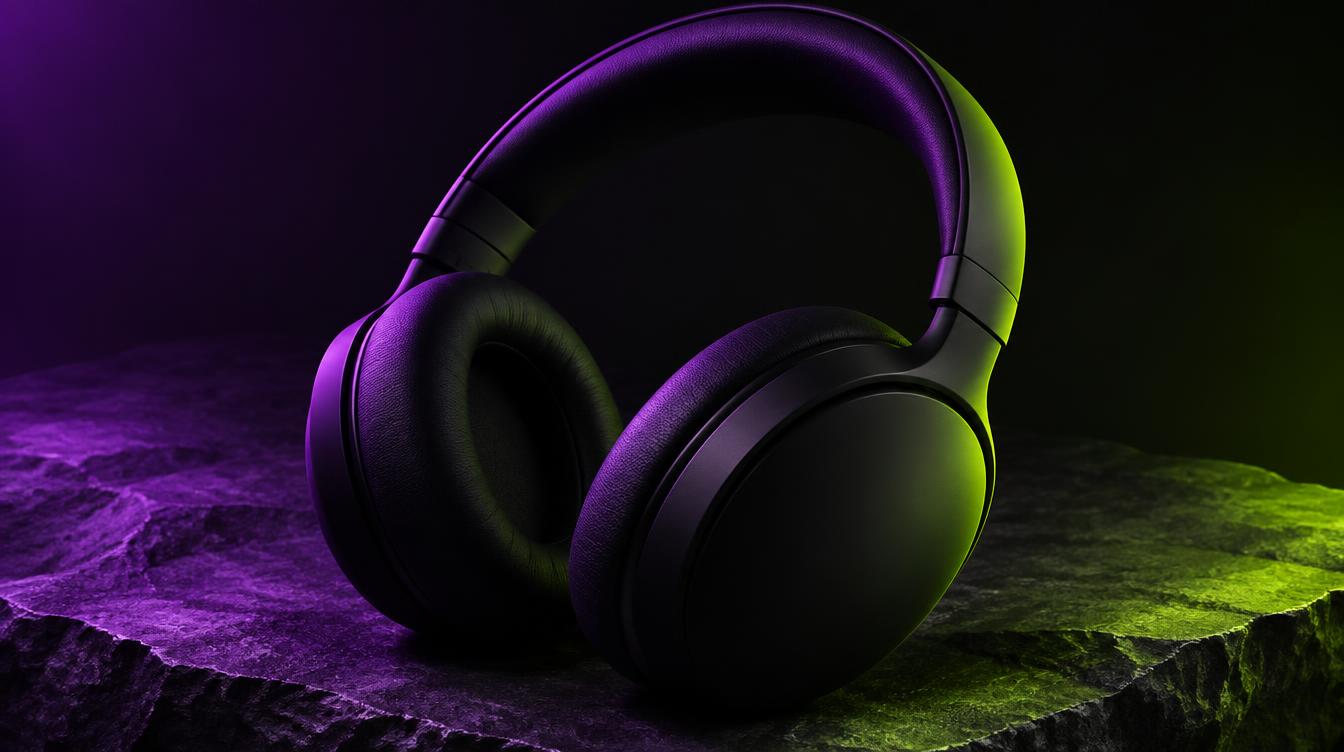
Noise cancellation used to be a luxury feature for frequent flyers. It now appears on headphones at almost every price, and the phrase covers everything from a faint hush to something close to silence.
Shopping by star ratings alone will not tell you which is which. Understanding how the technology works, and where it does not, is the quickest way to choose well.
How it actually works
Active noise cancellation uses small microphones to listen to the sound around you. A chip generates the mirror image of that sound and plays it through the speakers, so the two cancel each other before reaching your ear.
This works best on steady, low-pitched noise. The drone of an aircraft cabin, the rumble of a train and the hum of air conditioning are predictable, and the system can stay a step ahead of them.
It works less well on sounds that are sudden or high-pitched. A colleague's voice, a baby crying or a door slamming change too quickly for the electronics to cancel completely.
Fit does half the job
Before any electronics are involved, the ear cushions or ear tips physically block sound. This passive isolation handles much of the higher-pitched noise that active cancellation cannot.
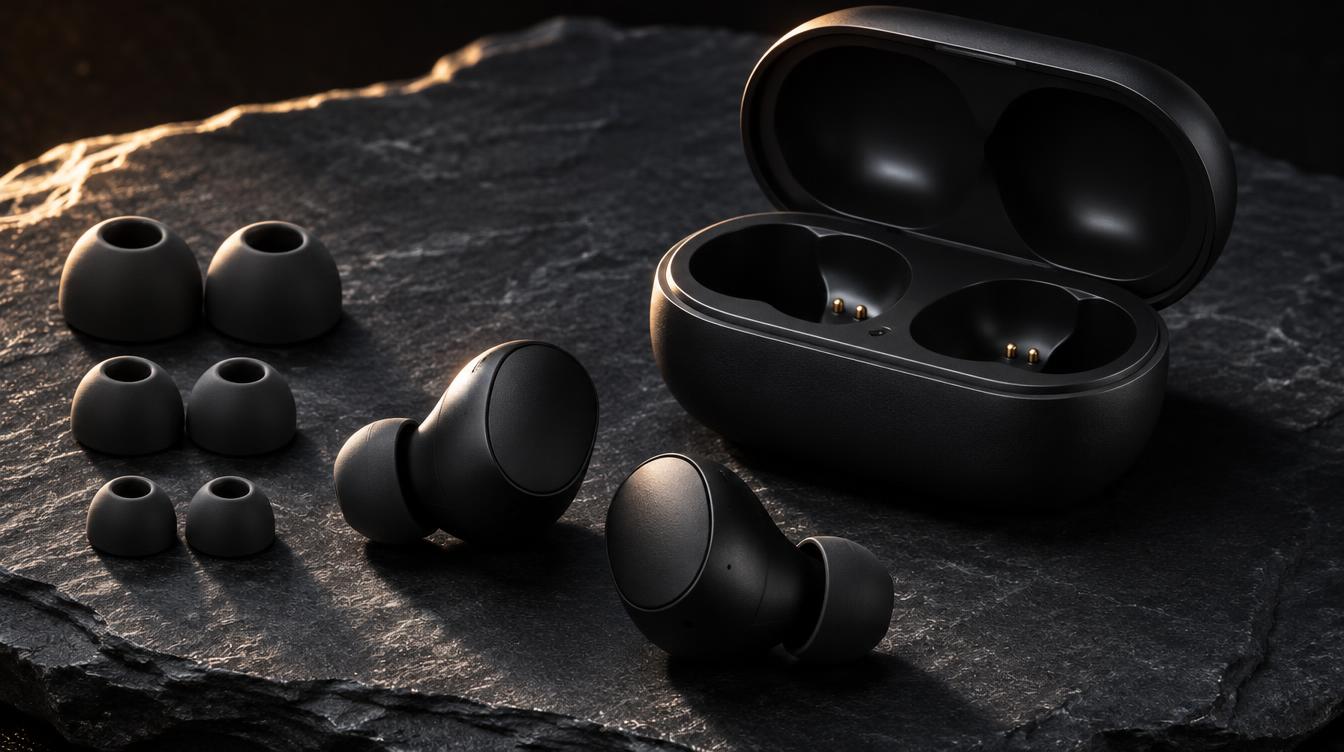
That is why fit matters so much. An over-ear pair that does not seal around your glasses, or earbuds with tips a size too small, will leak sound no matter how clever the chip.
The best noise cancellation in the world cannot fix a poor seal.
If you are choosing earbuds, try every size of tip in the box, and try a different size in each ear. Many people need one.
Over-ear or earbuds
Over-ear headphones generally cancel more noise, last longer on a charge and are comfortable for hours. They are bulkier, warmer on the ears and awkward to carry without a case.
Earbuds slip into a pocket and are better for exercise and short trips. The best of them now cancel noise impressively well, though battery life per charge is shorter.
| Feature | Over-ear | Earbuds |
|---|---|---|
| Noise reduction | Usually strongest | Good to very good |
| Battery per charge | Often 20 to 40 hours | Often 5 to 8 hours, plus case |
| Comfort on long flights | High | Varies with ear shape |
| Portability | Needs a bag | Fits a pocket |
| Exercise | Poor | Good |
The features worth having
A transparency mode uses the same microphones to let outside sound in, so you can hear an announcement or cross a road without taking the headphones off. Once you have used it, it is hard to go without.
Multipoint connection lets one pair stay linked to two devices, such as a laptop and a phone, and switch between them automatically. For anyone who works at a desk, this is the most useful feature that nobody advertises.
- Adjustable cancellation levels, for when total silence feels unsafe.
- Physical buttons, which are easier than touch panels in gloves or rain.
- A wired option, for in-flight screens and flat batteries.
- Replaceable ear cushions, which extend the life of the headphones by years.
- Wear detection that pauses audio when you take them off.
What the numbers do not mean
Driver size, frequency range and long lists of audio formats tell you very little about how a pair sounds. Tuning matters far more, and it is not on the box.
Battery figures are measured at moderate volume, usually with cancellation on. Expect somewhat less in real use, particularly in cold weather and as the battery ages.
Call quality is a separate skill
Cancelling noise for you and cancelling noise for the person on the other end of a call are different jobs. Some excellent headphones have mediocre microphones.
If you take calls outdoors or in open offices, look specifically for reviews of microphone performance in wind and background chatter.
The pressure feeling
Some people notice a sensation of pressure in their ears with strong noise cancellation, a little like a lift descending. It is harmless and most listeners adapt within a few days.
If it bothers you, choose a model with adjustable levels and use a lower setting. This is another reason to buy from a retailer with a generous return policy.
How much to spend
Past a certain point, more money buys refinement rather than silence. Mid-priced models from established makers now cancel noise nearly as well as flagships did two or three years ago.
Last year's flagship, discounted when its successor arrives, is often the best value in the entire category.
Looking after them
Wipe cushions and tips regularly. Skin oils harden the material and break the seal. Replace them when they flatten or crack.
Store over-ear pairs in their case rather than loose in a bag, where the headband and hinges take the strain.
The short version
Decide where you will use them most, choose the form that suits it and prioritise fit above everything else. Then pick the pair that feels comfortable after an hour, not the one with the longest feature list.
Silence, it turns out, is mostly a matter of a good seal and realistic expectations.